Past
Totem/Grilo Arte+7 Plugin
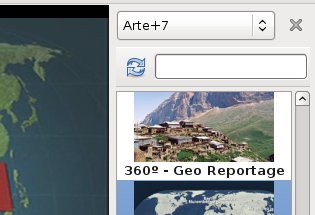
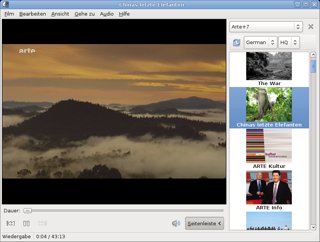
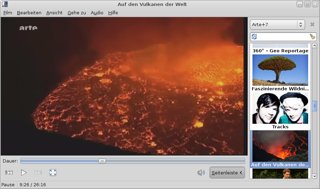
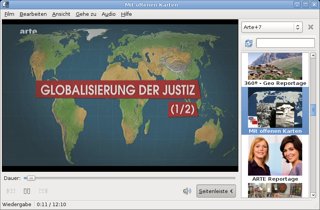
This plugin for the GNOME video player Totem allowed you to
watch the video streams of the Franco-German TV channel Arte from within the player. Sadly, the
Arte+7 service is only available to IP addresses in France, Germany, Belgium, Austria and
Switzerland. The source was hosted on
Gitorious, which has since shut down, but you can find a copy on GitHub.
The plugin supported Totem versions 2 and 3. Later it was refactored into a Grilo plugin to provide
the streaming capability to other Linux video players.
webdesign.wenner.ch
Hand-crafted PHP and MySQL sites, and later Joomla-based ones. Some were paid work, some were built
for the fun of it. It started in 2004 with the family's own pages — wenner.ch and the sub-domains
sitting under it, including 3DGraphicDesign.ch — and turned into a small
side business under webdesign.wenner.ch between 2011 and 2014, offering design and maintenance.
The references listed on that page were the Fahrschule Shabani in Schaffhausen (Joomla 3, custom
template), the Feuerwehr Dürnten (Joomla 2.5, custom template), the language school of Claudia Koch
and Rhian Davies (custom CMS with online registration) and the Jugendparlament Schaffhausen (Joomla).
Fortunately most of these websites are no longer online.
-
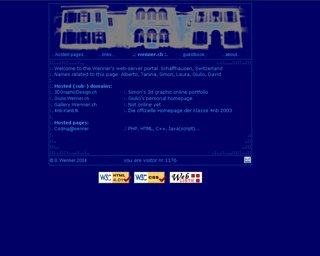
Version 2.0 of the family web server portal at wenner.ch, with a traced photo of our house in the
header and the sub-domains of the family listed below it. 3DGraphicDesign.ch was one of them.
Orxonox - ETH Open Source Game Development Lab
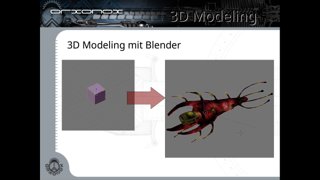
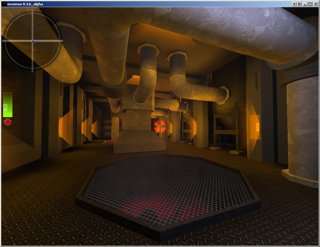
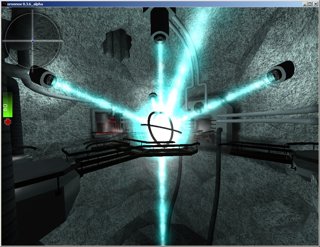
Orxonox is a mix between a spacecraft shooter, a vertical scroller and a first-person shooter. It is developed by ETH students. In my job as a teaching assistant, I created educational material for C++ development and 3D content creation, and mentored students. For more information, visit orxonox.net.
Orxonox Gameplay Compilation 2013
On-Surface-Magnetochemistry Visuals
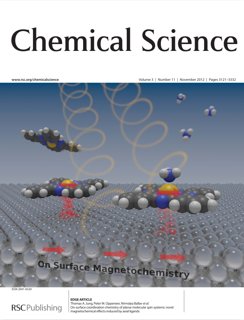
I designed the inside cover of Chemical Science, Volume 3, Issue 11 (November 2012). It visualizes the effects described in the paper "On-surface coordination chemistry of planar molecular spin systems: novel magnetochemical effects induced by axial ligands" by Christian et al.
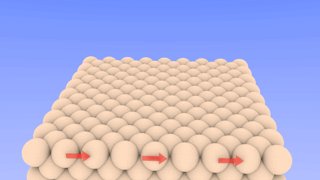
I also created a 3D animation for the Journal of Physical Chemistry Letters (JPCL) Perspective in 2013; it is featured in this YouTube video.
Music Retargeting and Synthesis
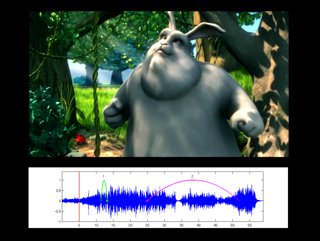
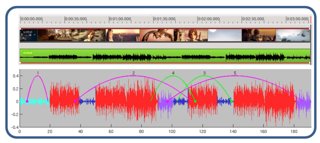
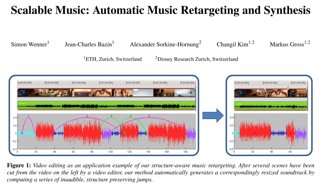
In my master thesis Music Retargeting and Synthesis at the ETH Zürich Computer Graphics Lab I explored applying computer graphics methods to music.
The approach worked and was later condensed into the paper Scalable Music: Automatic Music Retargeting and Synthesis, published at Eurographics 2013.
Thesis Abstract
Music is an important part of many computer graphics applications like animation, film or
computer games. Yet, many advancements in computer graphics have not been generalized
appropriately to the audio domain. In this thesis we propose a novel method for dynamic
content-aware rescaling and reassembly of music. The method is inspired by the recent works in image
retargeting, video reshuffling and character animation. Given a certain target length and ad-
ditional constraints, such as music structure or importance, the proposed method performs a
global optimization to find an assembly of the input music that fulfills the constraints with the
best possible quality. Low and high-level features are extracted from the audio signal in order
to build a graph, which encodes the constraints and potential forward and backward jumps. The
desired music is synthesized using a k-stops shortest path algorithm. The algorithm runs in real
time and it creates results with imperceptible transitions. We show applications such as
shortening and enlarging the duration (up to infinity), music reshuffling, removal of vocal parts and
video editing with audio alignment.
Snow Simulation @ ETH
As part of the Physically-Based Simulation lecture at ETH Zürich, Martina, Fabian and I
implemented a small project: we decided to simulate snowfall and accumulation in real time.
The wind field is calculated by solving the Navier–Stokes equations on a 3D grid.
The result can also be downloaded as a video file.
Photo Blog
Experiments in photography and photo editing.
Pidgin One-Time Pad Plug-in

Pidgin-paranoia is a plug-in for the instant messenger Pidgin (formerly known
as Gaim) that uses one-time pads to encrypt your
conversations. A project for paranoid people, like me.
It was hosted on SourceForge, with a backup on the Internet Archive
The last release (0.4.0) came out on 2009-09-08. You can download it here:
GNOME Water Temperature Applet
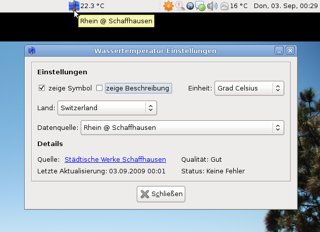
The Water Temperature Applet displays water temperatures of rivers, lakes and oceans in your
GNOME 2 panel. I wrote it so I always know when I should go swimming in
the Rhine — and to learn the Python programming language.
It was hosted on sourceforge.net. The GNOME 2 panel it
plugs into no longer exists.
The last release, 0.5.2, was published on 2009-09-03:
Gedit XML-Tools Plug-in
This plug-in for the editor gedit provides XML Schema (XSD)
validation and an XPath query editor. It could have been extended with other XML tooling, but the
motivation never materialised.
It was hosted as XML-Tools on launchpad.net.
Google Summer of Code
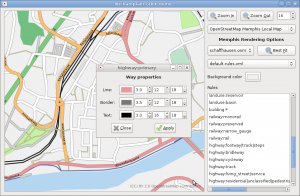
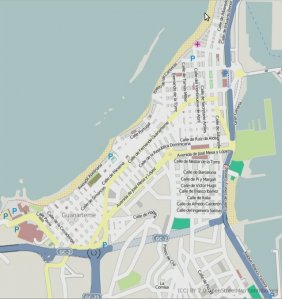
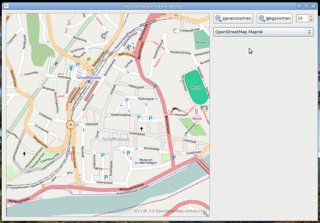
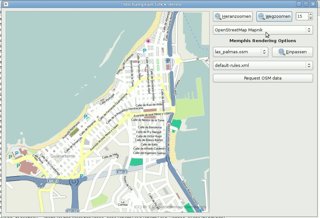
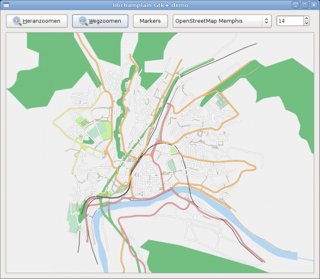
 During Google Summer of Code (GSoC), I extended Libchamplain, a C library that provides a ClutterActor for displaying maps. The goal of the project was to add support for rendering OpenStreetMap XML data locally. Local rendering lets clients create maps with custom content and color themes.
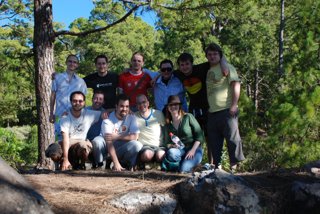
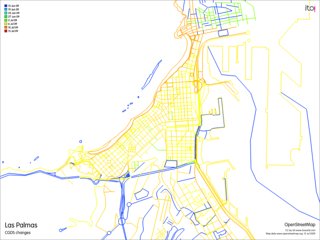
The progress was documented on the blog foregroundnoise.wordpress.com/gsoc-2009, which is no longer online. As part of the programme, I got the opportunity to visit GUADEC in Las Palmas. It was a great conference — my thanks to the GNOME Foundation for sponsoring me.
Fingertier
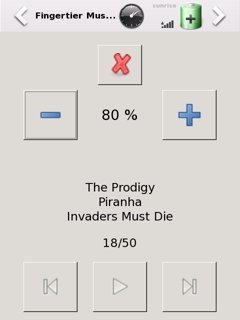
Fingertier (German for the Aye-aye) is a minimal, finger-friendly music player for mobile devices. It is inspired by the Apple iPod Shuffle.
It was optimised for smartphones with small touch screens, such as the Openmoko Freerunner. It is implemented in Vala and uses GLib, GTK and GStreamer.
The app features MP3, Ogg and FLAC file format support (in theory, any format supported by GStreamer). It has buttons for play/pause, previous and next, as well as a sorted playlist, volume control, tags and album-cover display.
It was hosted on Google Code and now lives on in the Google Code Archive.
ETH Raytracer Contest 2009
In the "Computer Graphics" lecture at ETH Zürich, Fabian (smf68.ch) and I had to implement
a raytracer from scratch. In the final week
of the course we rendered a video, which was the winning submission in the closing rendering contest.
The result can also be downloaded as a video file.
3D Graphics Portfolio Page
3DGraphicDesign.ch was
my 3D portfolio, online from 2004 to 2008 under the alias Nowic. The site itself was hand-written
PHP: a file-based news engine, a visitor counter that overflowed, and a guestbook that in the end held more
spam than greetings.
What it showed was mostly work in progress. Alongside the finished projects — the Deus Ex Online
prologue, NanoAge, the Kanti Rebuild level and the Roman bath house of Juliomagus, each of
which has its own entry here — there were four galleries of loose models: low-polygon objects built
for games, high-polygon renderings, a work-in-progress and junkyard section, and a page of
wallpapers and websites.
The pictures below are what remains of those galleries after the images that belong to a project are
set aside. They are the things that never found a game to be in: a train station for an isometric
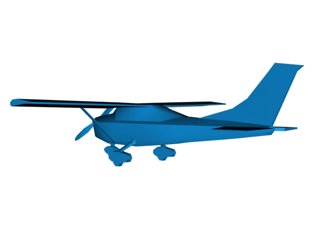
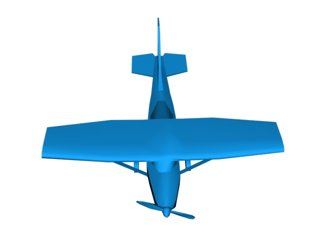
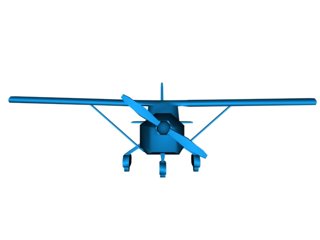
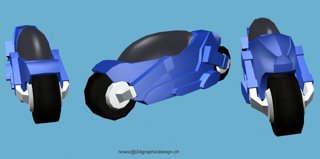
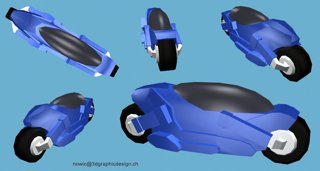
Transport Tycoon clone, a futuristic racing bike for a game that was frozen, a Cessna, a Lamborghini
Diablo that proved patches were the wrong tool, a wind turbine, a toilet, and the first two storeys
of my family's house.
-

-
-
-
-
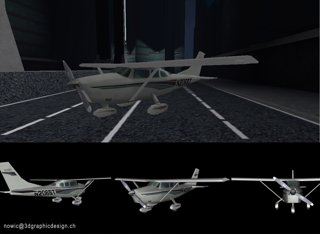
The finished Cessna, textured and placed on a night runway, with three orthographic views below it.
-
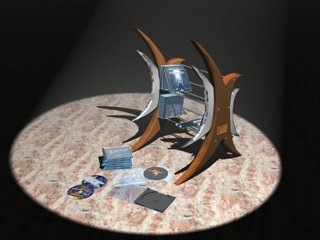
A CD tower holding the boxed Deus Ex Online prologue, made as a self promotion image for the
mod. Modelled and textured together with Gumminte.
-
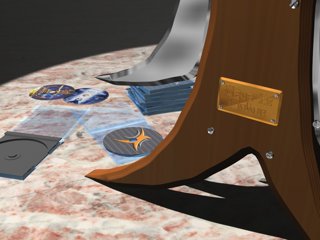
A second camera angle on the same scene. Modelled and textured together with Gumminte.
-
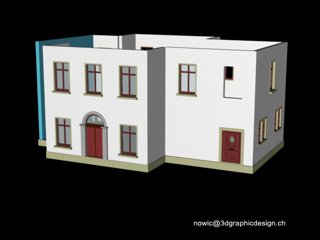
The beginning of a 3D reconstruction of the house my family lived in. It never got beyond the
shell and the windows.
-
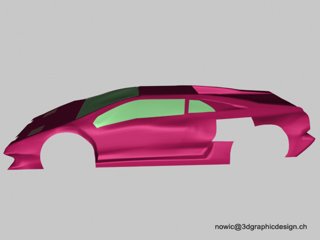
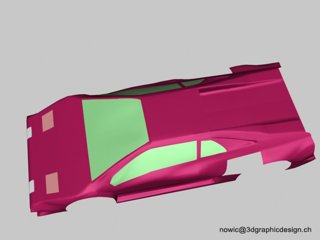
An attempt at a Lamborghini Diablo built from patches. The technique turned out to be the wrong
tool for the shape, and the car was abandoned.
-
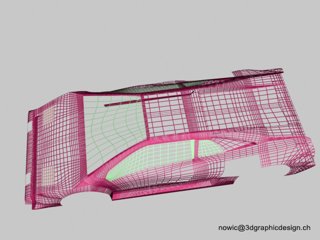
The patch cage of the body, which is where the attempt came apart.
-
-
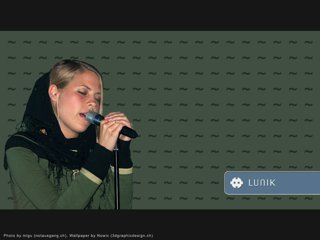
A 1024x768 desktop wallpaper for the Swiss band Lunik. Concert photo by
migu, 2003.
-
-
-
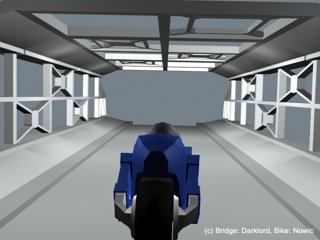
The bike inside a bridge section that would have been part of a track. Bridge modelled by
Darklord.
-
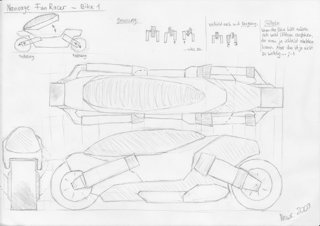
The pencil concept sheet for a futuristic racing bike, with notes on steering and on the support
legs the bike would need when standing still. The racing game it was drawn for was frozen before
anything shipped.
-
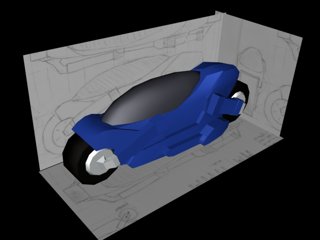
The untextured bike posed in front of a backdrop of its own concept sheet.
-
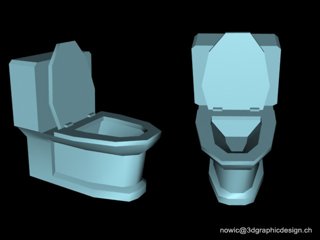
The kind of object nobody puts in a portfolio and every level needs.
-
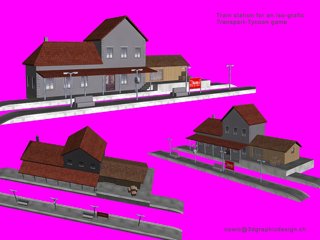
A low-polygon train station with platform, freight shed and lamps, built for an isometric
Transport Tycoon style game that never got past the asset stage. Rendered on magenta so the
sprites could be keyed out.
-
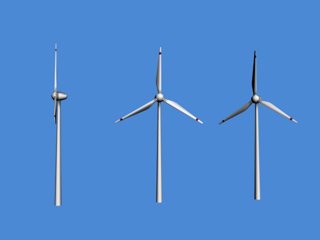
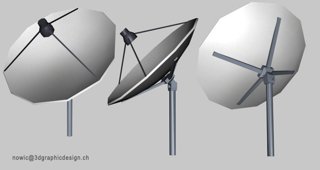
A wind turbine modelled as a piece of scenery, shown in three rotor positions.
3D Reconstruction of the Roman Bath House of Juliomagus
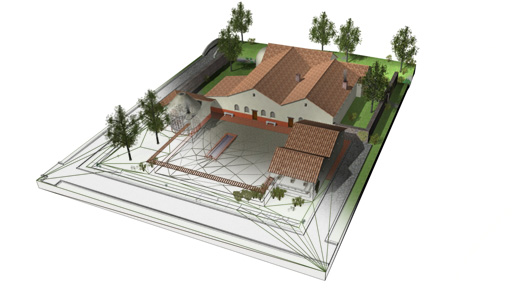
In the last year of high school in Switzerland, every student writes a graduation thesis.
Driven by my interest in 3D graphics, I chose art as my subject, although the work is
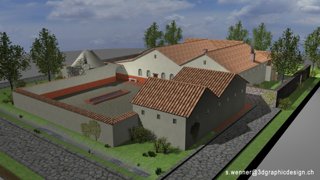
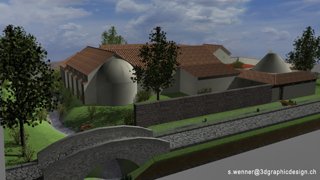
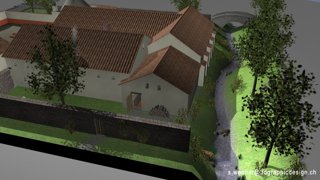
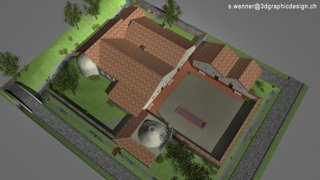
grounded in history just as much. Not far from my hometown lie the remains of a Roman village
called Juliomagus (German) — today's Schleitheim, in the canton of Schaffhausen — among them its bath house.
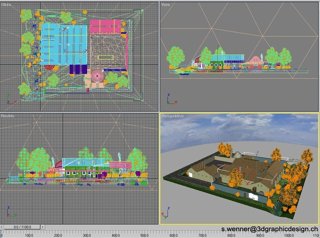
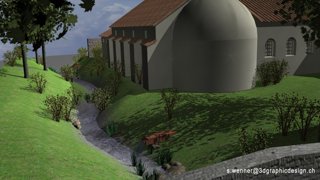
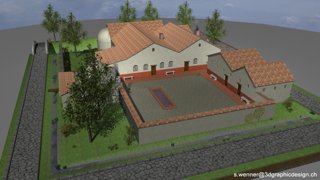
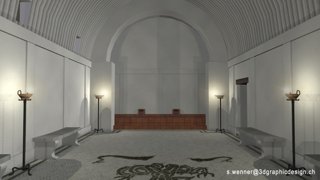
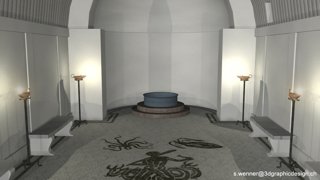
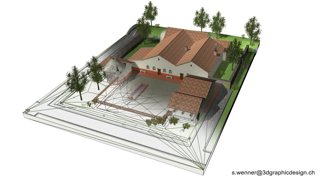
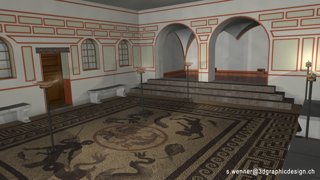
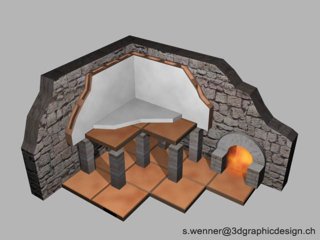
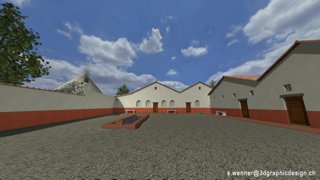
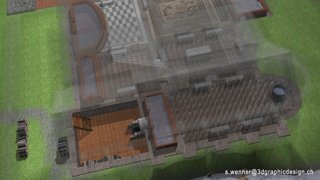
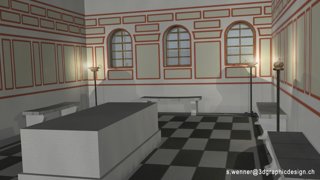
I researched the site and rebuilt the entire bath house in 3D Studio Max, producing both still
images and animated fly-throughs. The textures were painted in Photoshop, some of them based on
photo references. The work won the school award for the best thesis in the subject of art in 2003.
The rendering output was severely limited by the computers I had available — a Pentium 4 with
1.8 GHz and 512 MB of RAM.
In German
Der Inhalt dieser Maturaarbeit ist die dreidimensionale Rekonstruktion der römischen Thermen von Juliomagus (Schleitheim) mithilfe eines Computerprogramms für dreidimensionale Darstellungen. Als Grundlage dienten die archäologischen Funde in Schleitheim (SH) sowie die allgemeinen Erkenntnisse über römische Thermen. Die rudimentär erhaltenen Überreste und die teilweise noch ausstehenden Grabungserkenntnisse verlangten nach gestalterischem Schliessen der Lücken unter Einbezug des allgemeinen Wissens über Thermen. Persönlich fand ich es faszinierend, Geschichtliches, Architektonisches, Fotografisches und Computergrafisches gestalterisch miteinander zu verbinden.
Die Arbeit gliedert sich in die archäologischen und historischen Grundlagen, die Beschreibung des zu rekonstruierenden Objekts – die Thermen von Iuliomagus –, die Erläuterung der verwendeten Computerwerkzeuge sowie die Darstellung der Arbeitsschritte bis zur fertigen Rekonstruktion. Da mir keine leistungsfähigen Render-Rechner zur Verfügung standen, sind die Videos weder sonderlich gut noch sehr lang geworden. Mit dieser Arbeit gewann ich den Preis für die beste Maturaarbeit im Bereich Bildnerisches Gestalten 2003 an der Kantonsschule Schaffhausen.
NanoAge - The Concern Wars
NanoAge - The Concern Wars was a MORPG (Multiplayer Online Role Playing Game) set in a future
version of Berlin. The game had a dark atmosphere and revolved around the fight between powerful
global corporations and secret organisations. We built it on the Torque 3D engine from GarageGames, with a
team of ten members and a number of freelancers.
The project was cancelled because most of the team members had become inactive — no time, no
motivation. We had finished the first districts of Berlin, player models, weapons, decoration
objects, the HUD and a lot of the story. It is a shame we had to stop — I would have liked to finish it.
My tasks were team management, concept art, modelling, texturing and animation.
The advertising boards were made for the fictional corporations of the game world: MedTech, GSC,
Gaia, CIS and IIG.
-
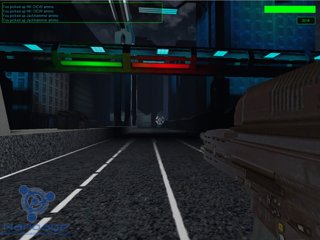
An early in-game screenshot from the Torque engine alpha build.
Credits: © 2002 NanoAge-Game developer team
-
Credits: © 2002 NanoAge-Game developer team
-
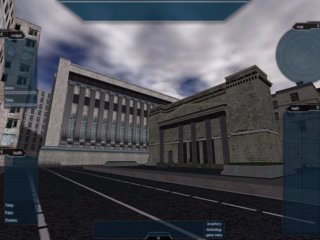
The Neue Wache, one of the Berlin landmarks rebuilt for the game.
Credits: © 2002 NanoAge-Game developer team
-
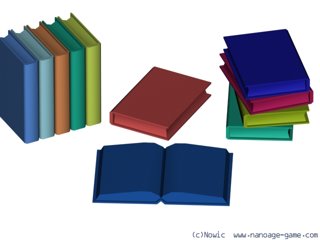
-
Credits: © 2002 NanoAge-Game developer team
-
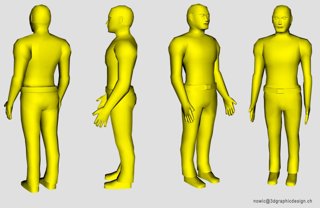
The base mesh the player models were built on, shown flat shaded from four sides.
-
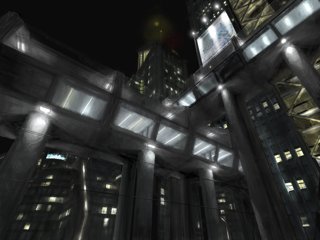
Concept painting of the future Berlin at night, setting the dark mood of the game.
Credits: © 2002 NanoAge-Game developer team
-
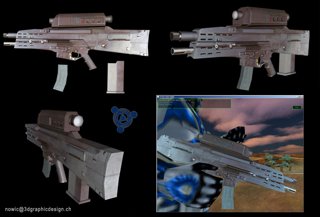
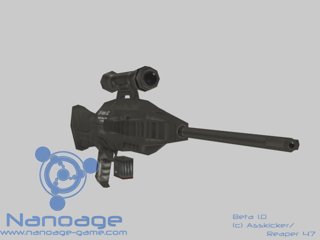
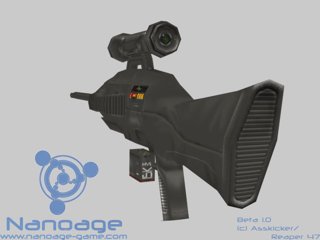
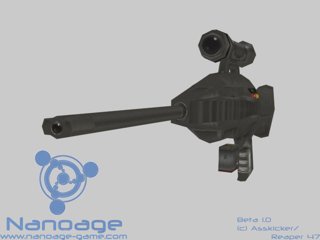
The HK OICW rifle from four sides, with a screenshot from the test level showing it in the
player's hands.
-

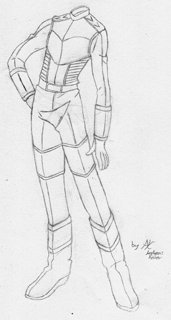
Clothing studies for the player character models.
Credits: © 2002 NanoAge-Game developer team
-

Credits: © 2002 NanoAge-Game developer team
-
-

One of the advertising boards for the fictional corporations of the game world.
Credits: © 2002 NanoAge-Game developer team
-

One of the advertising boards for the fictional corporations of the game world.
Credits: © 2002 NanoAge-Game developer team
-

One of the advertising boards for the fictional corporations of the game world.
Credits: © 2002 NanoAge-Game developer team
-

One of the advertising boards for the fictional corporations of the game world.
Credits: © 2002 NanoAge-Game developer team
-

One of the advertising boards for the fictional corporations of the game world.
Credits: © 2002 NanoAge-Game developer team
-
-
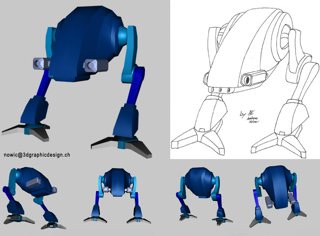
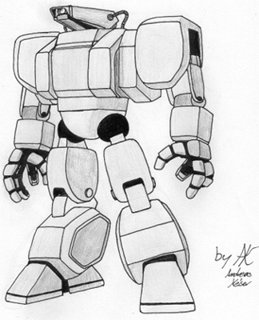
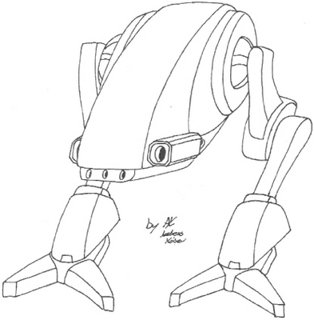
The security robot built in 3D, shown next to the concept drawing it was modelled from.
-
Credits: © 2002 NanoAge-Game developer team
-
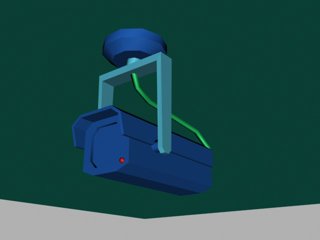
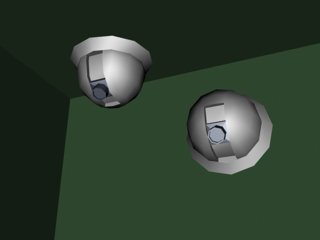
One of the two security cameras that never got their textures.
-
-
Credits: © 2002 NanoAge-Game developer team
-
Credits: © 2002 NanoAge-Game developer team
-
Credits: © 2002 NanoAge-Game developer team
-
-
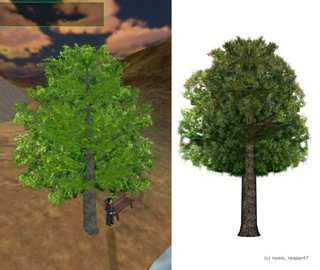
A tree for the Berlin map, in the engine and as a render. Textured by Reaper47.
-
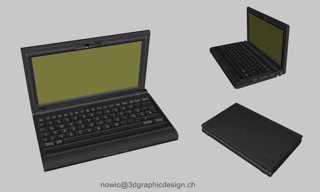
A sub-notebook the player could carry around, modelled after a Sony Vaio.
Deus Ex Online: Prologue

A modification of the very successful action/role-playing mix Deus Ex (Unreal Engine). We
set out with big ambitions to build a massively multiplayer mod, close to a total conversion, but
after several setbacks we decided to stop once the single-player preview version was finished.
That version was meant as an appetizer for the real game and tells the story leading up to DXO. It
takes place in the final days of WWII: you are a prisoner in a secret German bunker and your goal is
to survive and escape from this hell. It features five levels of action, a lot of background
information, and a heartwarming story.
Features: new levels, new skins, new weapons, new objects, a new skill system, conversations, a new
story and three different endings. My tasks involved 3D modelling and texturing.
Downloads:
Links:
-
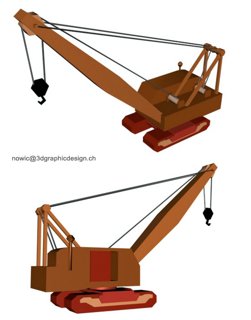
A tracked crane for the junkyard level. Like the level, it never got finished.
-
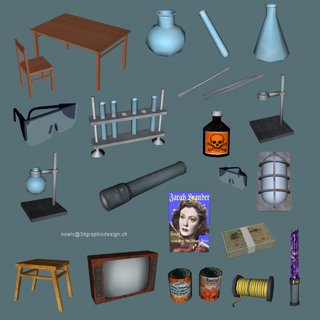
A sheet of the decoration objects and player items built for the mod: laboratory glassware, a
flashlight, tinned food, a wartime poster, a bundle of Reichsmark notes and the furniture to put
them on.
-
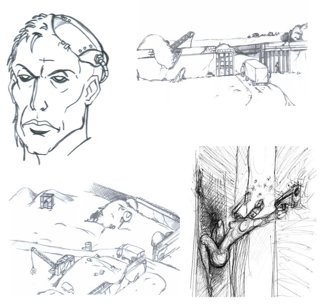
Pencil sketches for characters, the bunker entrance and action scenes.
Credits © 2001 Teardrop-Interactive Team
-
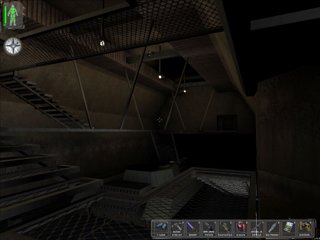
Credits © 2001 Teardrop-Interactive Team
-
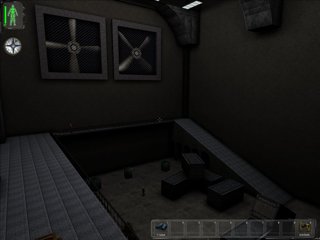
Credits © 2001 Teardrop-Interactive Team
-
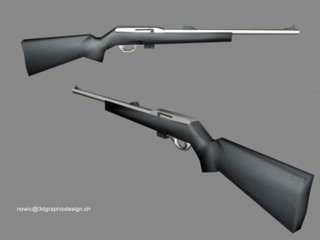
-
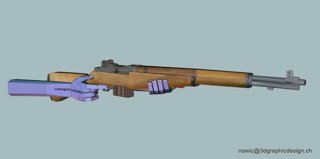
The first person view of the M1. The hands are still flat placeholder geometry — the textures and
the animations for them were never finished.
-
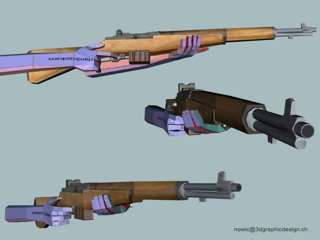
Credits © 2001 Teardrop-Interactive Team
-
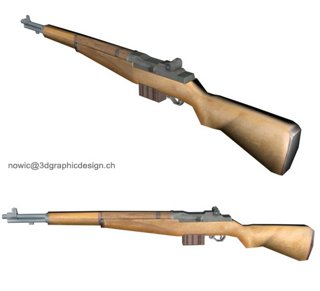
The M1 Garand, one of the weapons the prologue needed for its 1945 setting.
-
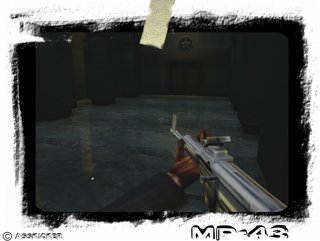
Low-polygon model of the MP-43 assault rifle.
Credits © 2001 Teardrop-Interactive Team
-
Credits © 2001 Teardrop-Interactive Team
-
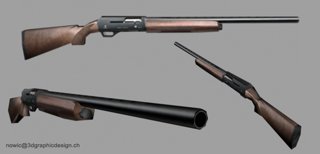
The wood and the metal are photo textures, which was the cheapest way to get detail onto a model
this small.
Kanti Rebuild in Unreal Tournament
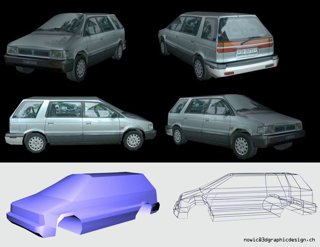
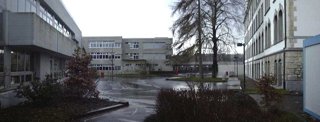
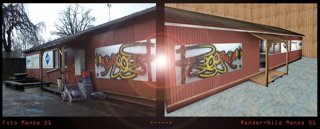
Our aim was to rebuild our high school buildings as an Unreal Tournament deathmatch level. We also
planned to model many detailed 3D objects — cars, furniture and other decorations — to achieve a
realistic look. My tasks involved team management, modelling, texturing and level design.
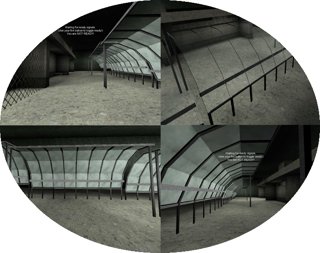
We finished the small buildings and started on the big ones, but as you can see, it was never
completed — I left school in 2003 and we never took it up again. It would have been nice to run
around the teachers' staff room with a rocket launcher, though.
Credits: Level design by Jaspi and Gummiente, object modelling by Nowic — together we were the "No Budget Studios" team.